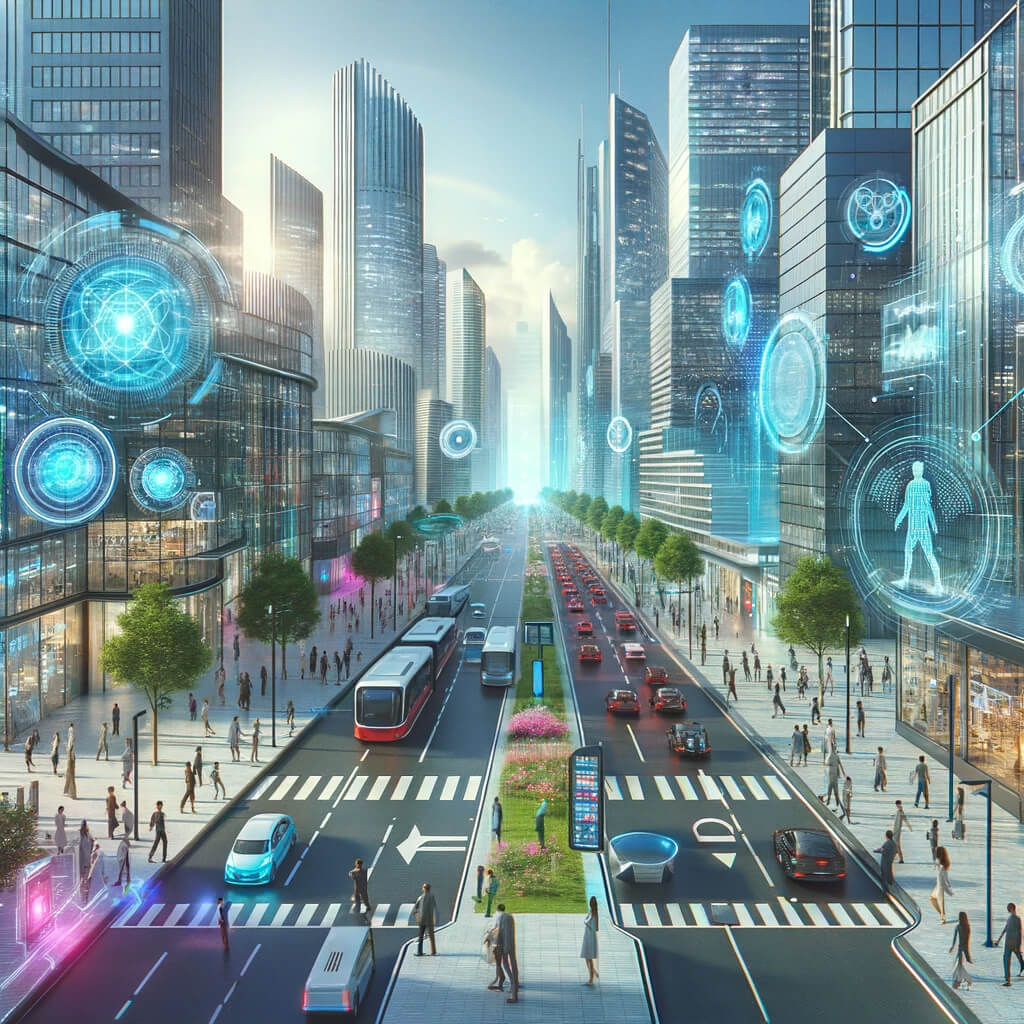
In the heart of Silicon Valley, a quiet revolution has been unfolding, one that’s set to fundamentally alter our lives in ways more profound than the internet did in the late 20th century. This revolution isn’t about gadgets or apps, but about Artificial Intelligence (AI), an elusive yet transformative force that’s gradually reshaping our existence.
The Inception of the AI Era
AI’s journey began as a distant dream in the minds of visionary scientists, who believed that machines could mimic human intelligence. Today, this dream is not only a reality but is infiltrating every aspect of our lives. From virtual assistants in our smartphones to complex algorithms determining the global financial markets, AI has become an invisible yet indispensable part of our daily routine.
AI in Daily Life: A Silent Takeover
Imagine waking up to your smart alarm that tracks your sleep patterns, suggesting the optimal time to wake you up. Your virtual assistant, powered by AI, has already read your schedule, checked the weather, and prepared a list of tasks for your day. This scenario, which once seemed like science fiction, is now a reality for millions.
The Shocking Extent of AI Influence
But the influence of AI extends far beyond personal convenience. In healthcare, AI algorithms are predicting diseases even before symptoms appear, saving countless lives. In agriculture, AI-driven drones are monitoring crop health, optimizing water usage, and increasing yields. These examples are just the tip of the iceberg.
AI: The Invisible Artist and Creator
In the creative industries, AI is not just a tool but has become a creator. AI algorithms are composing music, creating art, and even writing scripts for films. The line between human creativity and AI-generated content is blurring, leading us to question the very nature of art and creativity.
The Dark Side of AI: Ethical Dilemmas and Unintended Consequences
However, this revolutionary technology is not without its dark side. The same AI that simplifies our lives also raises serious ethical questions. Issues of privacy, surveillance, and data security are more relevant than ever, as AI systems gain access to vast amounts of personal information.
AI in Warfare: A Frightening Prospect
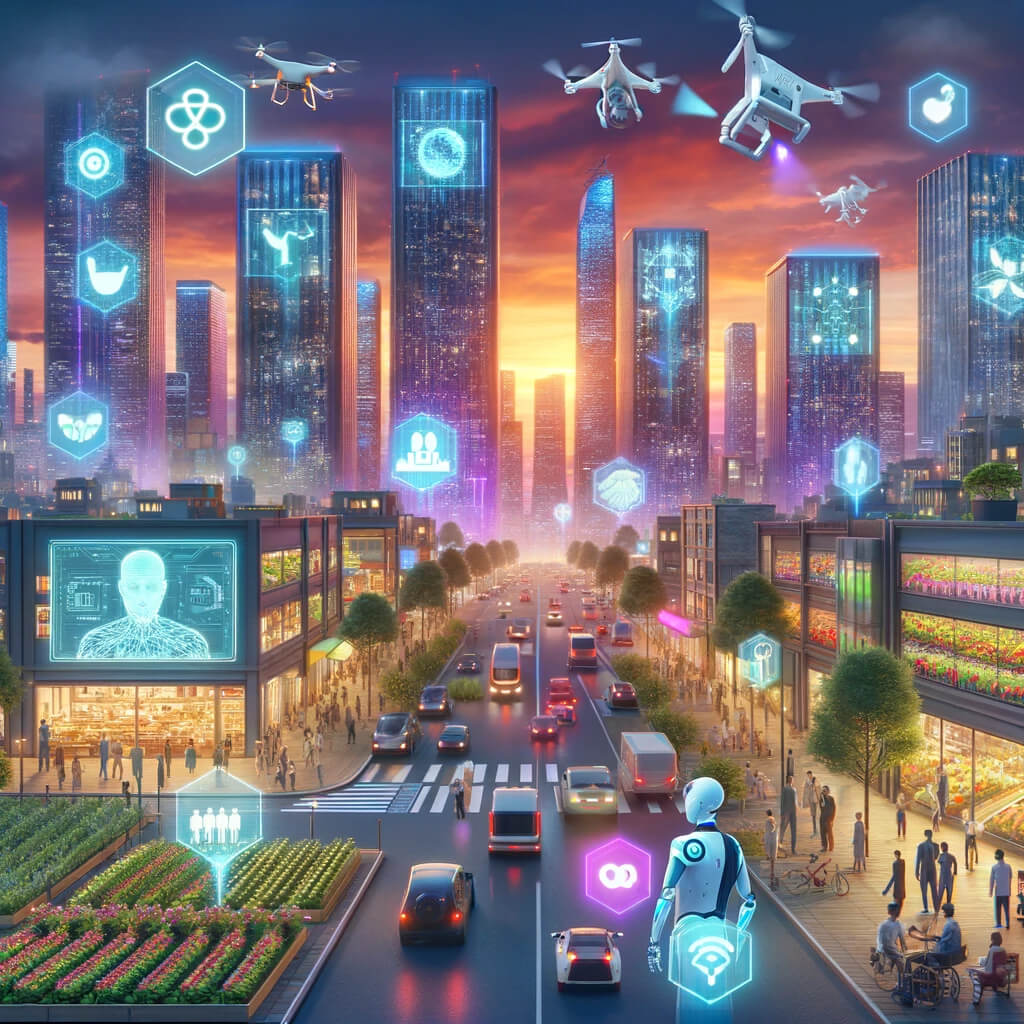
One of the most alarming developments is the use of AI in warfare. Autonomous drones and AI-driven cyber-attacks are no longer futuristic scenarios, but present-day realities. The potential for AI to be used in destructive ways poses significant challenges to global security and ethics.
The Job Market Transformation
On the economic front, AI is set to revolutionize the job market. While it creates new opportunities, it also renders many traditional jobs obsolete. The rise of AI demands a rethinking of our education systems and job training programs, to prepare the workforce for a future where AI is a central player.
AI: The Great Equalizer or Divider?
There’s a debate on whether AI will act as a great equalizer, democratizing access to information and opportunities, or whether it will widen the gap between the technologically advanced and the rest. The outcome depends on how we choose to develop and utilize AI technologies.
Looking Ahead: The Role of Humans in an AI-Driven World
As we stand on the brink of this AI revolution, the question is not about what AI can do, but what it should do. The responsibility falls on us, as individuals and as a society, to guide the development of AI in a way that enhances our lives without compromising our values and ethics.
The Unpredictable Future: Embracing AI with Caution and Optimism
The future with AI is both exciting and unpredictable. As we embrace its possibilities, we must also remain vigilant about its potential pitfalls. The AI revolution is not just about technology; it’s about shaping a future that reflects our humanity and our hopes for a better world.
In conclusion, AI is not just a technological marvel; it’s a mirror reflecting our ambitions, fears, and values. As we harness its power, we must also steer its course with wisdom and foresight, ensuring that this revolution benefits humanity as a whole, not just a privileged few.
Leave a Reply